Hazardous Tree Removal in Honolulu
Hazardous tree removal addresses trees that present immediate danger to property, infrastructure, or people. In Honolulu's tropical climate, trees weakened by high winds, root rot, or structural damage can fail suddenly, especially during storm season. Whether a banyan has grown too close to power lines in Kaimuki, a Norfolk pine is leaning toward a home in Manoa, or storm damage has left a monkeypod unstable in Moiliili, hazardous tree situations require urgent professional assessment. This page helps property owners understand what makes a tree hazardous and how to connect with qualified local providers.
Recognizing Hazardous Tree Conditions
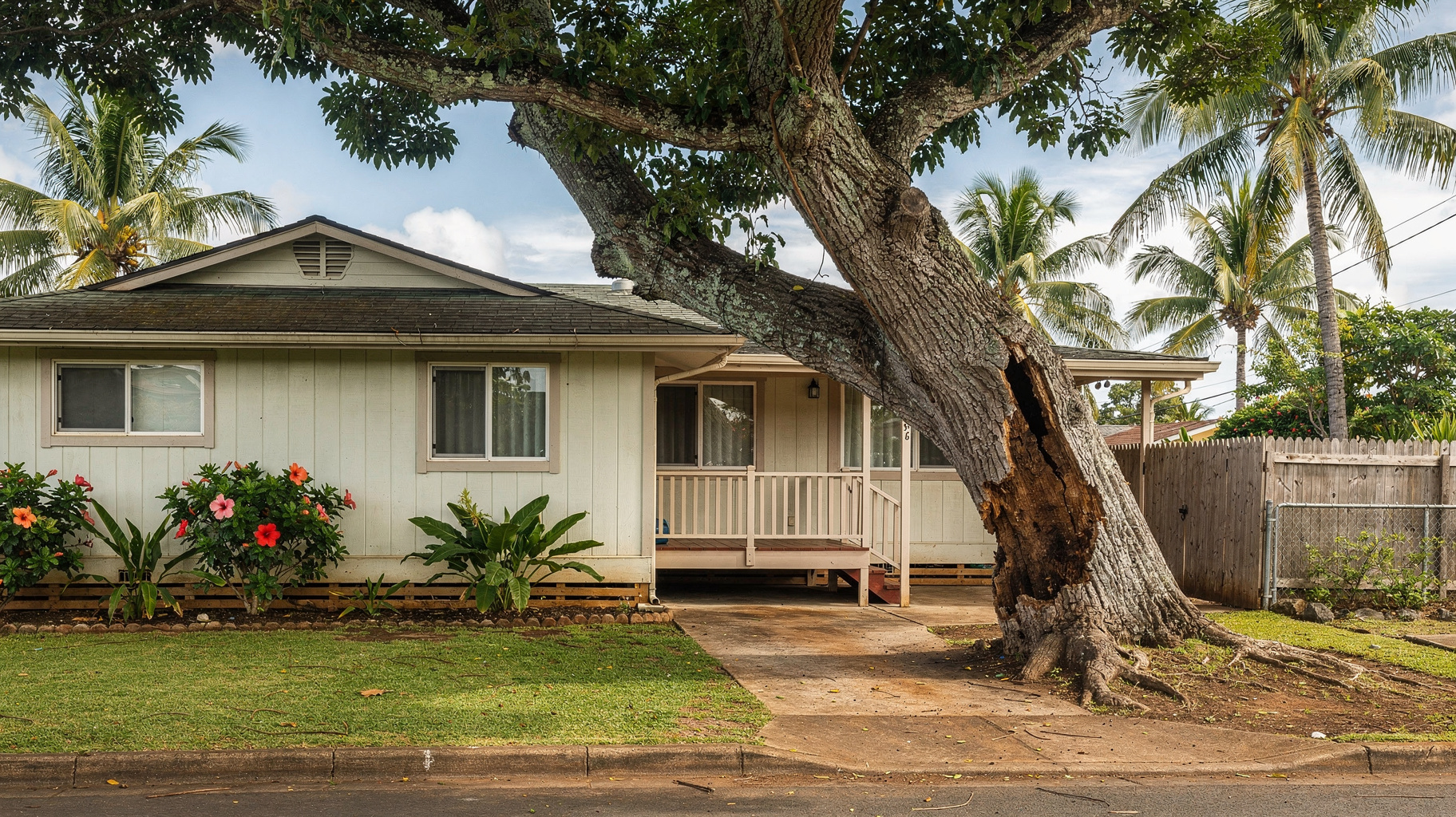
Several conditions signal a tree has become hazardous. Severe lean—especially when accompanied by exposed or lifting roots—indicates structural instability that worsens with each heavy rain or wind event. Dead or dying trees lose limb strength rapidly in Honolulu's humidity, making them prone to sudden failure. Large cracks in the trunk, hollow cavities visible at the base, or fungal growth around the root collar often point to internal decay that compromises the entire structure. Trees with major limbs overhanging roofs, driveways, or gathering spaces become hazardous when those limbs show signs of weakness: peeling bark, discoloration, or lack of foliage during the growing season.
Proximity to infrastructure matters significantly. A healthy tree growing within falling distance of power lines, homes, or roadways may become hazardous if disease, pest infestation, or storm damage weakens it. In neighborhoods like Nuuanu and Palolo, where mature trees line narrow streets and older homes sit close to property lines, even moderate structural compromise can create urgent risk. Trees damaged during tropical storms often develop hidden fractures or root damage that only becomes apparent weeks later when the tree suddenly fails.
Factors That Complicate Hazardous Removals
Hazardous tree removal is inherently more complex than standard tree work. The same instability that makes the tree dangerous also makes removal riskier. Professionals must account for unpredictable failure points, limited safe working zones, and the need for specialized rigging techniques to control each section as it's cut. In dense Honolulu neighborhoods like Kakaako and Kalihi, limited access compounds the challenge—narrow driveways, overhead utility lines, and proximity to neighboring structures all constrain equipment options and removal methods.
Soil conditions affect stability during removal. Honolulu's volcanic soils drain quickly, but heavy rains can temporarily saturate root zones, reducing what little stability a compromised tree retains. Providers typically assess ground conditions, evaluate lean direction and magnitude, inspect for internal decay, and plan rigging strategies before beginning work. Some situations require crane assistance to lift sections vertically rather than droppin
Common Mistakes Property Owners Make
Many property owners underestimate how quickly a compromised tree can fail. Waiting to see if a leaning tree "stabilizes" or if dead limbs "hold a little longer" often results in emergency removals under worse conditions—or worse, property damage and injury. Another common mistake is attempting to cable, brace, or prop a hazardous tree without professional assessment. Temporary supports can create false confidence while the underlying structural problem continues to worsen.
Some owners assume that because a tree has stood for decades, it will continue to stand despite visible damage. Age and history don't prevent sudden failure when root systems rot, trunks hollow, or storm damage severs critical structural elements. In areas like Alewa Heights and Diamond Head, where mature trees are part of the landscape character, sentimental attachment sometimes delays necessary removal, increasing risk to the property and neighbors.
Finally, property owners sometimes fail to consider liability. If a hazardous tree on your property fails and damages a neighbor's home, vehicle, or injures someone, you may bear responsibility—especially if the hazard was obvious and you took no action. Documenting the condition, seeking professional evaluation, and acting on that advice demonstrates reasonable care and helps protect you from liability if failure occurs despite your efforts.
Technician insight
In Honolulu, the thing that catches most people out with hazardous tree removal is underestimating how fast decay progresses in our humid climate. A tree that looks solid from the outside can be completely hollow inside, and once the trade winds pick up or we get a heavy rain, that hidden rot becomes a real problem. I've seen banyans in Manoa and Kaimuki that looked fine one month and failed the next because internal decay finally reached a tipping point—by the time you see mushrooms or soft bark at the base, the damage is already extensive.
Leaning Monkeypod After Storm Damage
A property owner in Palolo noticed their large monkeypod had developed a pronounced lean toward the house after a night of high winds and heavy rain. The base showed some exposed roots on the uphill side, and cracks had appeared in the trunk. A local provider assessed the tree and found significant root plate movement and internal decay that the storm had worsened. Using a crane and careful sectional cutting, they removed the tree in controlled lifts, preventing any contact with the home or surrounding landscaping, and ground the stump below grade to allow replanting.
How it works
- 1
Submit Your Inquiry
Describe the tree's condition, location, visible damage, and any immediate concerns. Include photos if possible and note proximity to structures or power lines.
- 2
Provider Assessment
A local tree service professional evaluates the tree's stability, decay, lean, and surrounding hazards to determine the safest removal approach.
- 3
Removal Plan and Execution
The provider explains the removal method, equipment needs, and timeline, then carefully dismantles the tree using rigging, cranes, or sectional cutting as conditions require.
- 4
Site Cleanup and Stump Options
Debris is removed, the site is cleared, and stump grinding or removal is completed if requested, leaving the property safe and ready for next steps.
Pricing
Hazardous tree removal costs vary widely based on tree size, lean severity, access constraints, proximity to structures, and equipment requirements. Removals involving cranes, utility coordination, or complex rigging typically cost more than standard tree work.