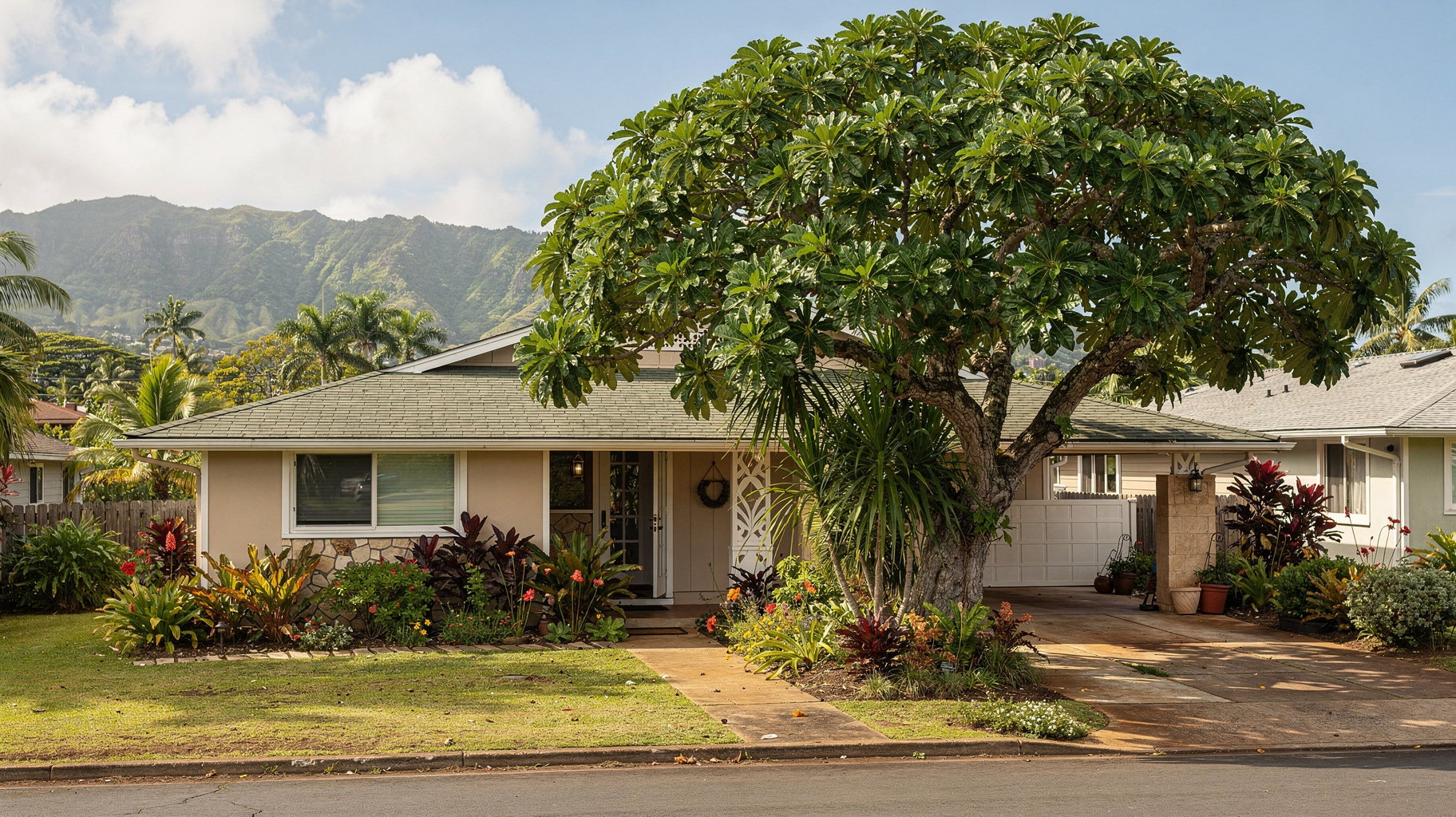
Tree Trimming & Pruning in Honolulu
Proper tree trimming and pruning keeps your property safe, attractive, and healthy in Honolulu's tropical climate. Whether you need to clear branches away from power lines in Kalihi, shape a canopy that's blocking ocean breezes in Kakaako, or remove deadwood threatening structures in Manoa, understanding when and how to prune makes a significant difference. Oahu Tree Pros helps homeowners and property managers submit inquiries to connect with independent local tree care professionals who understand the unique growth patterns and seasonal considerations of island trees.
Why Honolulu Trees Need Regular Pruning
Honolulu's year-round warmth and periodic heavy rains create ideal conditions for rapid tree growth. Monkeypod, banyan, shower trees, and palms common throughout Waikiki, Nuuanu, and Moiliili can develop dense canopies quickly, blocking light, trapping moisture, and creating weight imbalances that stress limbs. Trade winds that normally cool neighborhoods like Alewa Heights and Palolo can turn moderate branches into hazards during storm season when trees haven't been properly thinned.
Overgrown branches near rooflines collect fallen leaves and organic debris, creating moisture problems and pest habitat. Limbs that rub against structures during windy periods cause paint damage and roof wear. Trees planted too close to driveways or walkways often develop low-hanging branches that interfere with vehicles and pedestrians. Regular pruning addresses these issues before they require emergency removal, preserving the tree while protecting your property.
What Professional Tree Trimming Includes
A thorough trimming service begins with an assessment of the tree's structure, health, and position relative to buildings, utilities, and other landscape features. Professionals identify deadwood, crossing branches, weak unions, and areas where thinning will improve air circulation and light penetration. The goal is to maintain the tree's natural shape while removing growth that poses risk or reduces vitality.
Crown thinning selectively removes interior branches to reduce wind resistance and allow sunlight to reach lower foliage and ground-level plantings. Crown raising removes lower limbs to provide clearance for vehicles, pedestrians, and structures. Crown reduction carefully shortens branches to decrease overall tree size when space is limited—common in older Honolulu neighborhoods where mature trees now dwarf the lots they occupy.
Palm trimming requires different techniques than broadleaf trees. Removing only dead or damaged fronds preserves the tree's ability to photosynthesize while eliminating fire hazards and falling debris. Over-pruning palms weakens them and invites disease, so understanding species-specific needs matters significantly.
Timing and Frequency Considerations
While Honolulu's climate allows pruning year-round for most species, scheduling work during the dry season reduces disease transmission risk. Wounds seal faster when rainfall is less frequent, and professionals can better assess branch structure without dense foliage obscuring their view. Some flowering trees benefit from pruning immediately after blooming to avoid removing next season's buds.
Most mature trees benefit from inspection and selective pruning every two to four years, though fast-growing species or trees in high-traffic areas may need attention more frequently. Young trees often require formative pruning to establish strong structure, while older specimens need maintenance to remove aging wood and reduce hazards.
Preparing for a Tree Assessment
Before connecting with a tree care professional, walk your property and note specific concerns: branches touching your roof or power lines, areas where visibility is blocked, limbs showing decay or damage, or sections where the canopy seems unbalanced. Take photos if possible, especially of high branches that are difficult to describe.
Clear ground-level access to the tree base so the professional can inspect the trunk and root collar for signs of disease, damage, or structural issues that affect pruning decisions. Identify nearby features that matter—garden beds you want to protect, areas where debris disposal will be challenging, or neighbor property lines that affect work zones.
Understand what you hope to achieve: more light for your lawn, clearance from structures, improved tree health, or hazard reduction. Communicating your priorities helps professionals recommend appropriate pruning strategies rather than generic approaches.
Technician insight
In Honolulu, the thing that catches most people out with tree trimming is waiting until branches are already touching their roof or power lines. Once limbs are that close, the work becomes more complex and expensive because professionals need extra rigging and care to avoid damage during removal. Our volcanic soil and consistent moisture mean trees grow faster than mainland varieties—what looked fine two years ago can be a genuine hazard now, especially with older neighborhoods around Manoa and Nuuanu where root systems have decades of growth under structures.
Overgrown Monkeypod Blocking Trade Winds in Kaimuki
A homeowner in Kaimuki noticed their normally breezy yard had become still and humid, with the house staying warmer despite open windows. The mature monkeypod in the front yard had developed an extremely dense canopy that blocked airflow entirely. The tree care professional performed selective crown thinning, removing interior crossing branches and opening the canopy structure while preserving the tree's shape and health. Airflow returned immediately, the house cooled naturally again, and the tree's reduced wind resistance made it safer during storm season.
How it works
- 1
Submit Your Inquiry
Call to Get Connected or complete the online form describing your tree trimming needs, property location in Honolulu, and specific concerns about branches, clearance, or tree health.
- 2
Connect with a Local Professional
When an appropriate provider relationship is available, your inquiry may be referred to an independent tree care professional who serves your Honolulu neighborhood.
- 3
Schedule an On-Site Assessment
The professional will arrange to visit your property, evaluate your trees, discuss your goals, and explain recommended pruning approaches and timing.
- 4
Receive Service Details
The provider will outline the scope of work, explain their approach, and provide pricing information based on your specific trees and site conditions.
Pricing
Tree trimming and pruning costs vary based on tree size, species, accessibility, proximity to structures or power lines, and the extent of work needed. Simple palm frond removal differs significantly from large canopy thinning or multi-tree projects. Independent providers determine their own pricing after assessing your specific trees and site conditions.