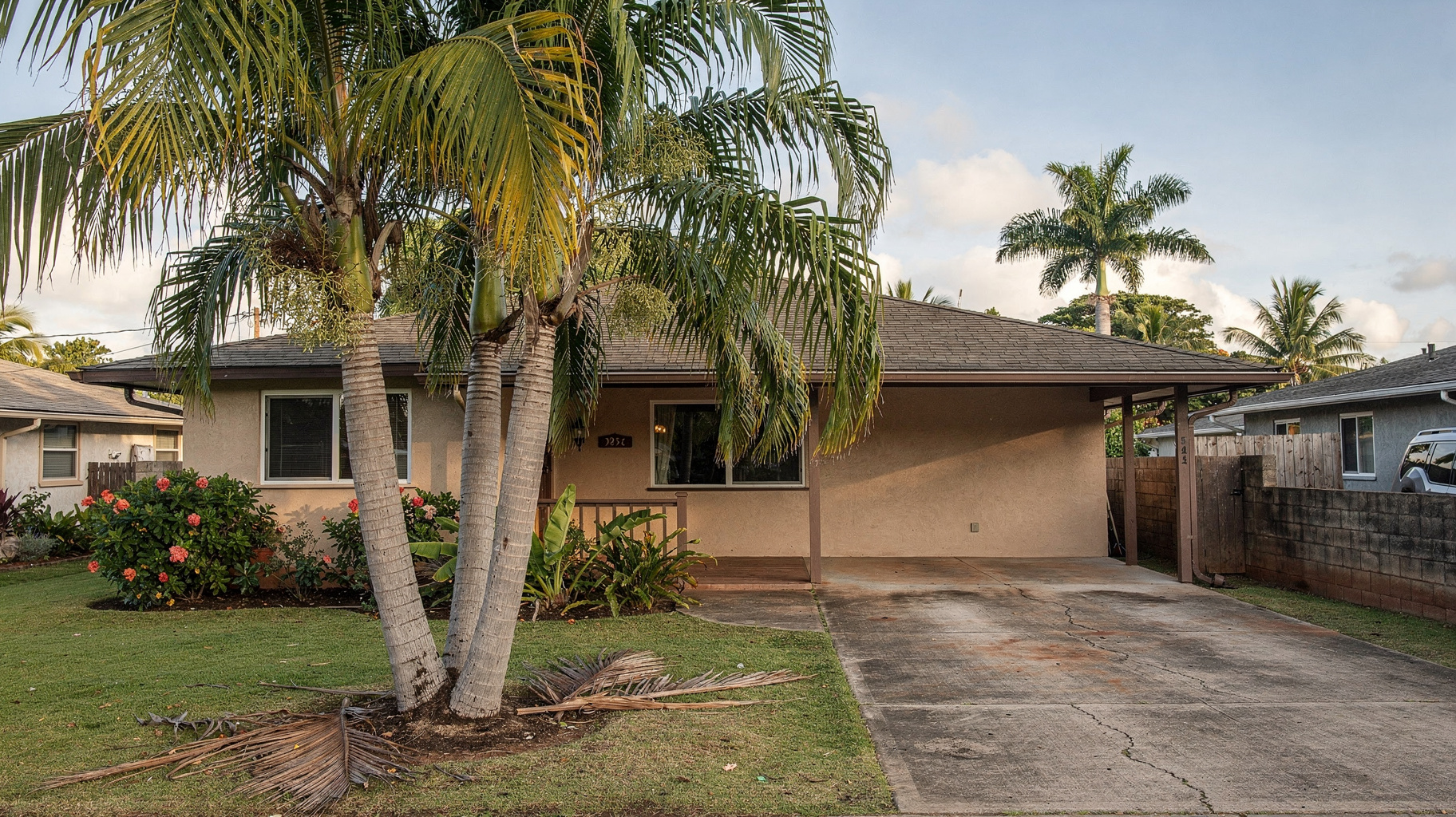
Palm Tree Services in Honolulu
Palm trees define the Honolulu skyline from Waikiki Beach to the slopes of Manoa Valley, but these iconic plants require specialized care that differs dramatically from broadleaf trees. Coconut palms, royal palms, date palms, and fan palms each present unique maintenance challenges in our tropical climate. Whether you're managing a property near Diamond Head with mature coconut palms dropping heavy fronds, dealing with a diseased specimen in Kaimuki, or preparing palms in Kakaako for storm season, understanding when to seek professional assessment can prevent property damage and preserve these valuable landscape features.
Common Palm Tree Service Needs in Honolulu
Palm maintenance in Honolulu addresses several recurring situations. Frond removal becomes necessary when dead or dying leaves create falling hazards—particularly important in high-traffic areas near Waikiki or around Iolani Palace grounds. Coconut palms require regular nut removal before they become dangerous projectiles during our windier months. Height presents another challenge; many royal palms in older Nuuanu and Alewa Heights neighborhoods now tower forty to sixty feet, placing crown work well beyond ladder reach and requiring specialized equipment.
Health issues also drive service requests. Lethal yellowing disease, fusarium wilt, and various nutrient deficiencies appear differently in palms than in other trees. The distinctive yellowing pattern that starts in lower fronds and progresses upward signals problems that visual inspection from ground level often misses. Root damage from construction or soil compaction—common in redeveloping areas like Kakaako—compromises stability in ways that aren't immediately obvious until a palm begins leaning.
Storm preparation represents another category of palm care. While our trade winds generally keep growth manageable, the occasional tropical system or Kona storm brings sustained winds that test structural integrity. Properties from Moiliili to Palolo often request pre-season assessments to identify palms with compromised trunks, inadequate root systems, or excessive crown weight that could fail during high winds.
What Palm Tree Assessment Typically Examines
When you connect with a palm specialist through an inquiry, the assessment process differs from standard tree evaluation. Professionals examine the crown for symmetry and frond retention patterns—a palm holding too many dead fronds signals either neglect or underlying health problems. They inspect the trunk for soft spots, cracks, or boring insect evidence, checking whether the trunk maintains its structural integrity or shows signs of internal decay.
Root zone evaluation matters particularly in Honolulu's varied soil conditions. The thin volcanic soils in upper Manoa drain differently than the coral-based substrates near the coast, affecting root development and stability. Professionals assess whether roots show adequate spread and depth
Questions to Discuss During Your Palm Tree Inquiry
When submitting an inquiry about palm services, consider mentioning specific observations that help providers understand your situation. Describe what prompted your concern—falling fronds, visible damage, disease symptoms, or proactive maintenance. Note the palm's approximate height and species if known, along with its location relative to structures, walkways, or utilities.
Ask about the assessment process and what the visual inspection will cover. Inquire whether the provider has experience with your specific palm variety, as techniques and recommendations vary significantly between species. Discuss timing considerations, particularly if you're concerned about storm season or have specific scheduling constraints.
For properties with multiple palms, ask whether a comprehensive property assessment makes sense versus addressing individual specimens. Question what documentation or photos the provider can supply to explain their findings and recommendations. Understanding the scope of recommended work—whether it's routine maintenance, corrective pruning, health treatment, or removal—helps you make informed decisions about your property's palm population.
Preparing for a Palm Tree Assessment
Before a provider visits your Honolulu property, clear access to the palm's base so root zone and trunk can be examined. Remove any stored items, equipment, or vegetation blocking the view. If you have previous service records, maintenance history, or photos showing the palm's condition over time, gather these for reference—they help establish whether observed conditions represent recent changes or long-standing characteristics.
Note any recent events that might affect palm health: construction activity, irrigation changes, nearby tree removal that altered sun exposure, or storm damage. If you've observed specific symptoms like frond discoloration, unusual growth patterns, or pest activity, document when you first noticed these changes. This timeline helps providers distinguish acute problems from chronic conditions.
For properties in areas like Downtown Honolulu or near Pearl Harbor where access may be restricted, confirm parking availability and any entry procedures. If the palm is located in a shared or commercial space, verify that you have authority to authorize assessment and potential work.
Technician insight
In Honolulu, the thing that catches most people out with palm tree work is underestimating how quickly coconut palms become hazardous once they reach twenty-five feet. That combination of our steady trade winds, the weight of mature coconuts, and the way fronds hang over walkways or parking areas creates serious liability. Properties in windward neighborhoods like Manoa or near the coast see faster frond deterioration from salt exposure, which means maintenance intervals that worked for five years suddenly aren't frequent enough.
Storm-Damaged Royal Palm Assessment in Nuuanu
A Nuuanu property owner noticed their forty-foot royal palm leaning noticeably after a Kona storm brought sustained winds. The assessment revealed partial root failure on the windward side where previous construction had compacted soil within the critical root zone. The crown showed good health, but the compromised root system couldn't support the palm's height and weight safely. Removal was recommended before the next storm season, with replacement planning to account for proper root zone protection during any future site work.
How it works
- 1
Submit Your Palm Tree Inquiry
Contact us with details about your palm tree concern—species if known, height, location on property, and what prompted your inquiry. Mention any visible symptoms, recent changes, or specific service needs.
- 2
Connect with an Independent Provider
When an appropriate provider relationship is available, your inquiry may be referred to an independent local palm specialist who can schedule an on-site assessment at a mutually convenient time.
- 3
Receive On-Site Evaluation
The independent provider examines your palm's crown, trunk, and root zone, identifies species-specific concerns, and discusses findings with you directly. They explain observed conditions and answer your questions.
- 4
Review Service Recommendations
The provider presents their recommendations—whether maintenance, treatment, or removal—along with their approach, timing considerations, and quote. You decide how to proceed based on their assessment and your property needs.
Pricing
Palm tree service costs in Honolulu vary based on palm height, species, accessibility, and work scope. Routine maintenance for shorter palms typically costs less than tall specimen work requiring specialized equipment. Removal, disease treatment, and emergency services involve different pricing structures. Independent providers determine their own rates and provide quotes after on-site assessment.